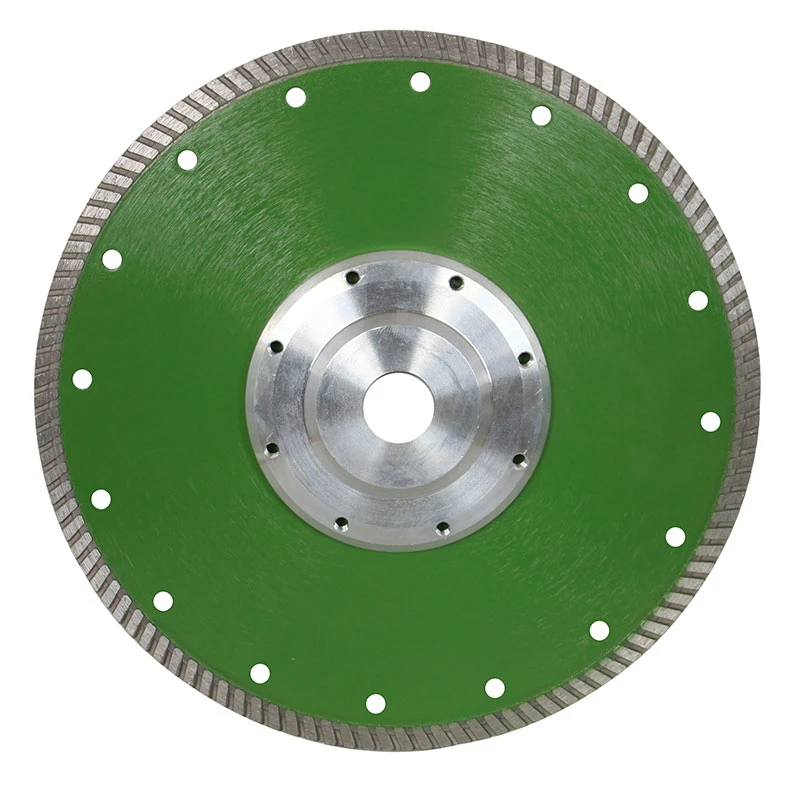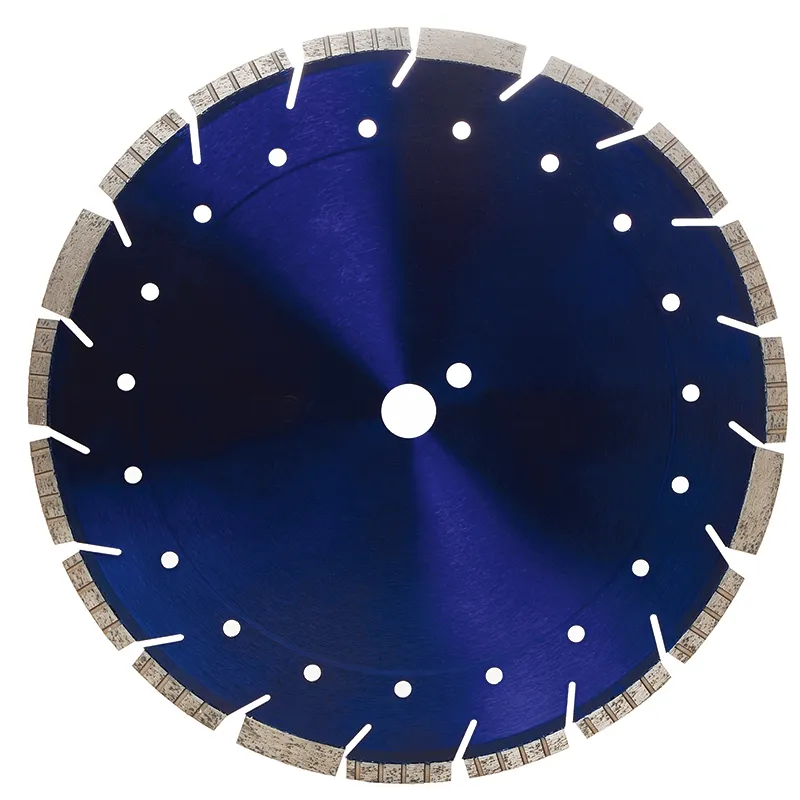

350 mm diamond blade
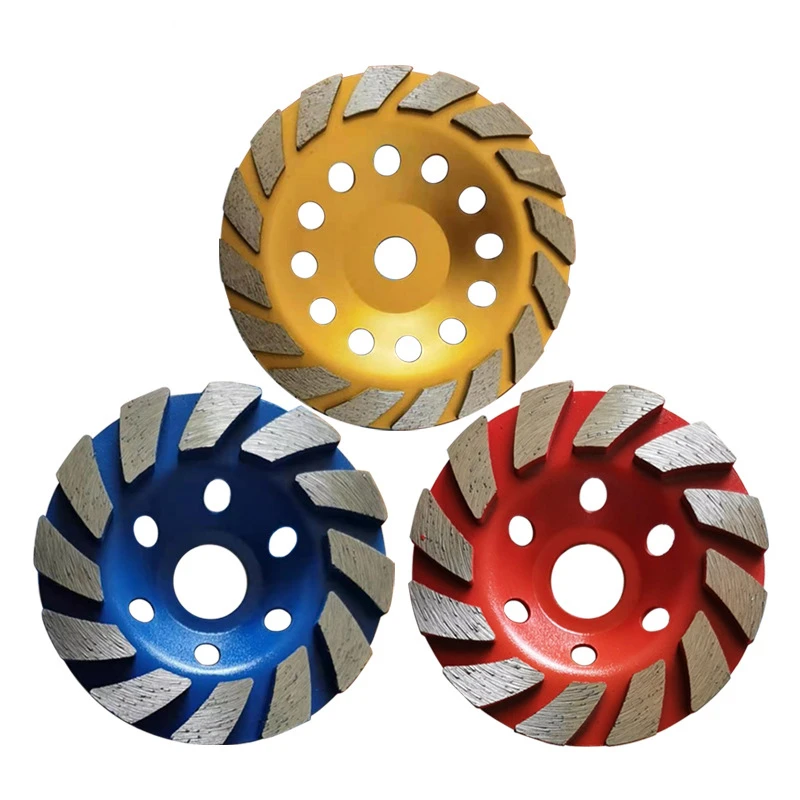
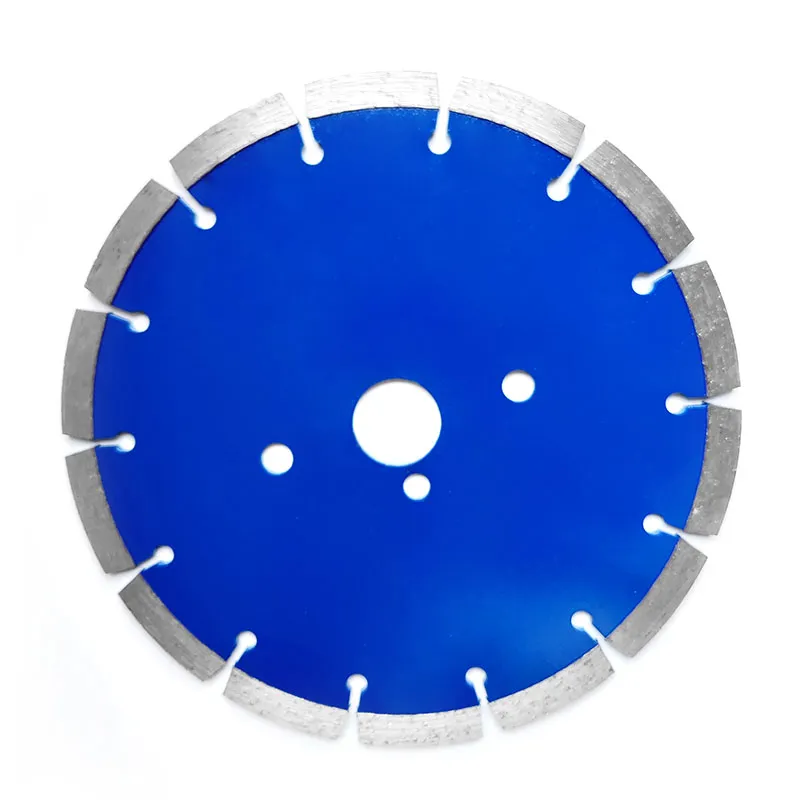
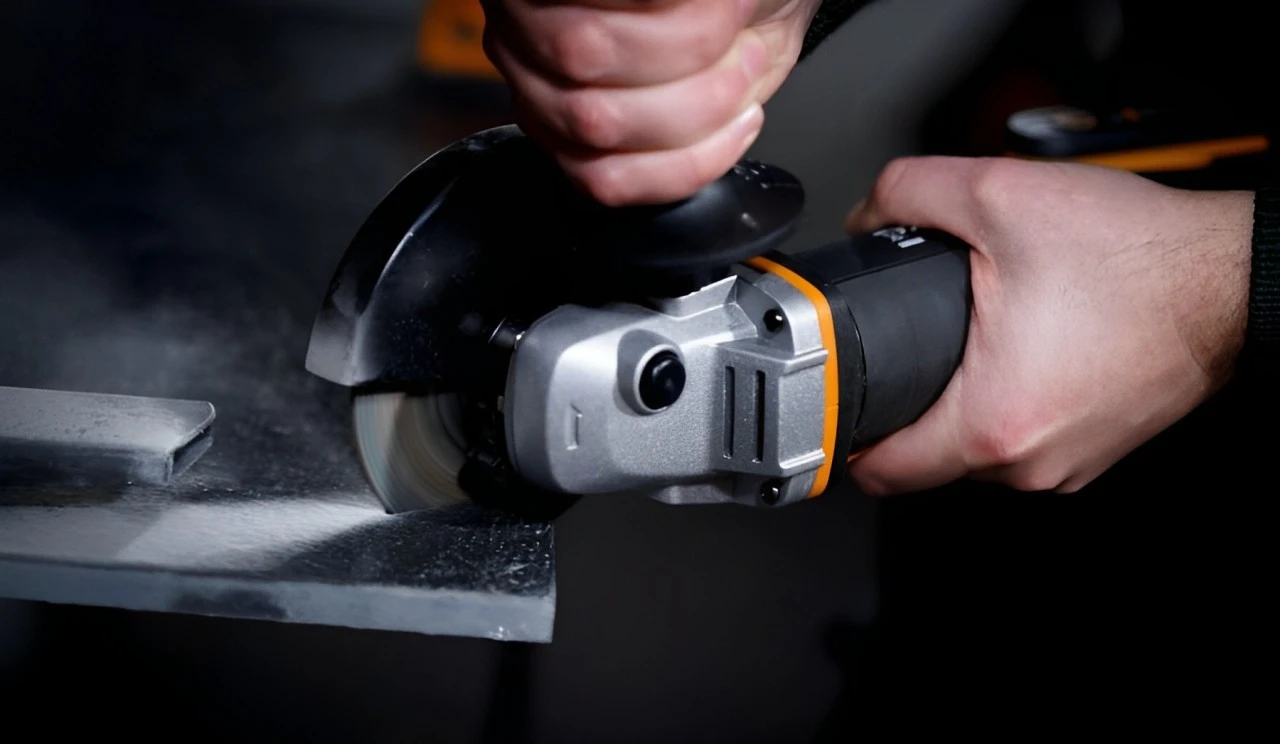
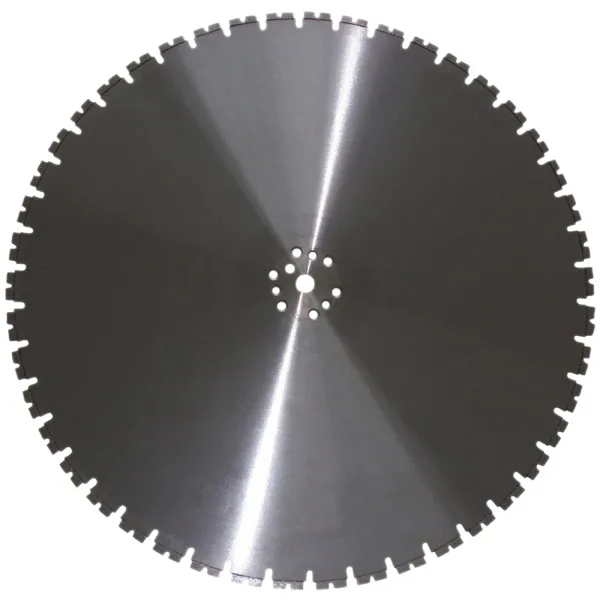
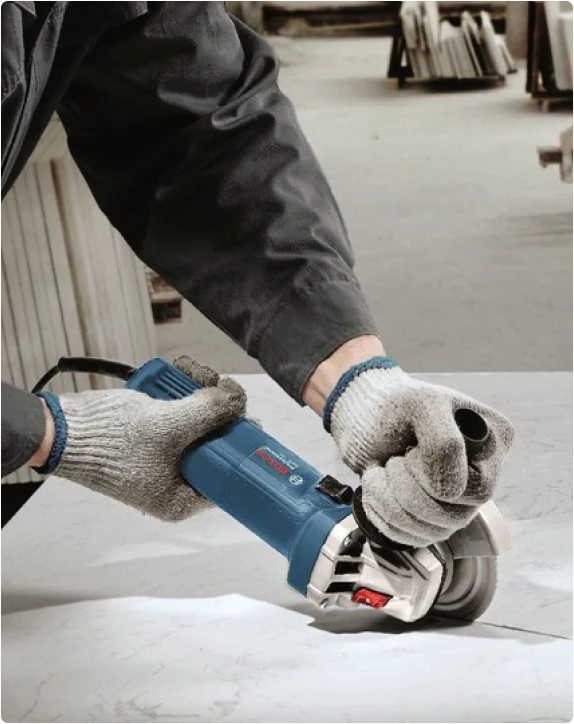
Diamond Blade For Cutting Granite: Field Notes, Specs, and Real-World Lessons If you’re hunting for a serious diamond blade for cutting granite , here’s the inside scoop I wish more brochures would share. I’ve walked shop floors from Hebei to Houston, listening to fabricators gripe about wobble, warping, and blades that die too young. This model—built in No.30 Gaoying Road, Chang'an District, Shijiazhuang, Hebei—keeps popping up in conversations for one reason: it cuts fast and stays safe. The segments are notably stable; several foremen told me “no drama, just dust.” Well, minimized dust if you run wet, which you really should. What’s Trending in Granite Cutting Two big shifts: laser-welded segments even on mid-priced blades, and quieter “sandwich/silent-core” steel for indoor shops. Also, a steady move to wet cutting to align with silica regulations. To be honest, even budget-conscious shops are asking about tensioned cores and consistent diamond distribution—because downtime is pricier than any blade. Key Product Specs (typical stocked options) Diameter Segment H × T Bond / Grit Arbor Max RPM Wet/Dry Service Life ≈ 125–180 mm (5–7") 10–12 × 2.2–2.4 mm Medium-hard / 30–40# 22.23 mm, 20 mm 8,500–12,200 Wet/Dry (wet recommended) ≈ 350–600 m on G603, real-world may vary 230–350 mm (9–14") 12 × 2.6–3.2 mm Hard / 24–30# 25.4 mm 4,300–6,500 Wet preferred ≈ 700–1,200 m on granite slab In short: fast, controlled cut, with segments that don’t “burn” the stone when cooled properly. I guess that’s what most shops want anyway. How It’s Made: Materials, Methods, and Tests Segments: cobalt/bronze alloy matrix with uniform synthetic diamond (30/40 mesh) for hard stone. Bond engineering: medium–hard for granite/quartzite; optional soft bond for ultra-hard quartzite. Manufacturing: hot-press sintering; laser-welded segments to treated steel core; core tensioning and flatness control. Quality tests: runout ≤ 0.15 mm; segment pull test; burst test to ≥ 1.5× max RPM (per EN13236 guidance); dynamic balance check. Compliance: EN13236, ISO 9001; silica exposure practices aligned with OSHA 29 CFR 1926.1153 when used wet and with dust control. Where It Works Best Countertop shops, monument yards, on-site renovation crews, even small tile stores doing occasional granite rips. Use with marble cutters or handheld cut-off saws; wet cut for longest life and cleaner edges. Many customers say edge chipping dropped “noticeably” after switching from a generic blade. Vendor Comparison (field-sourced, indicative) Vendor Segment Weld Bond Options MOQ Lead Time Certs Price Level This Manufacturer (Hebei) Laser Soft/Med/Hard ≈ 10–30 pcs 7–15 days EN13236, ISO 9001 Mid Brand A (imported) Laser Medium only 1 pc Stock EN13236 High Marketplace B (mixed) Brazed / Laser (varies) Unknown 1 pc 3–10 days Varies Low–Mid Customization Options include silent-core, flanges, custom arbor (22.23/25.4/20 mm), logos, turbo or segmented rims, and bond tuning for black granite, quartzite, or basalt. Actually, for miter cuts on 20 mm granite, a slightly softer bond helps keep the feed smooth. Field Results and Testing Data Shop trial on G687: average feed 1.2–1.6 m/min, kerf ≈ 2.6 mm, edge chip ≤ 0.7 mm when wet. Another test on quartzite: slower feed (0.7–0.9 m/min) but stable amp draw—no “grabby” behavior. Service life improved ≈ 18% vs a prior generic blade. Mini Case Studies Countertop fab (Texas): switched to diamond blade for cutting granite with silent core; noise dropped “a notch,” cycle time improved 12% on sink cutouts; zero segment loss after 3 months. Monument yard (UK): diamond blade for cutting granite on 14" saw, wet; achieved ≈ 950 m on dense black granite, operators reported “clean start, no flutter.” Practical Tips Dress the blade occasionally on abrasive stone to expose new diamonds; keep coolant steady; let the tool do the work. If you feel vibration, pause and check arbor and flanges. It seems obvious, but it saves blades—and nerves. Want specs or a trial lot? This diamond blade for cutting granite is built for fast, safe cuts with an honest service life. I don’t say that lightly. Authoritative citations EN 13236: Safety requirements for superabrasive products (diamond and CBN products). OSHA 29 CFR 1926.1153: Respirable crystalline silica standard for construction. ISO 9001: Quality management systems—Requirements (manufacturer certification context).
-
 30000M2Floor Space
 -
 100+Team size
 -
 20+Production experience
 -
 120+Export Countries
350 mm diamond blade
Diamond Blade For Cutting Granite: Field Notes, Specs, and Real-World Lessons If you’re hunting for a serious diamond blade for cutting granite , here’s the inside scoop I wish more brochures would share. I’ve walked shop floors from Hebei to Houston, listening to fabricators gripe about wobble, warping, and blades that die too young. This model—built in No.30 Gaoying Road, Chang'an District, Shijiazhuang, Hebei—keeps popping up in conversations for one reason: it cuts fast and stays safe. The segments are notably stable; several foremen told me “no drama, just dust.” Well, minimized dust if you run wet, which you really should. What’s Trending in Granite Cutting Two big shifts: laser-welded segments even on mid-priced blades, and quieter “sandwich/silent-core” steel for indoor shops. Also, a steady move to wet cutting to align with silica regulations. To be honest, even budget-conscious shops are asking about tensioned cores and consistent diamond distribution—because downtime is pricier than any blade. Key Product Specs (typical stocked options) Diameter Segment H × T Bond / Grit Arbor Max RPM Wet/Dry Service Life ≈ 125–180 mm (5–7") 10–12 × 2.2–2.4 mm Medium-hard / 30–40# 22.23 mm, 20 mm 8,500–12,200 Wet/Dry (wet recommended) ≈ 350–600 m on G603, real-world may vary 230–350 mm (9–14") 12 × 2.6–3.2 mm Hard / 24–30# 25.4 mm 4,300–6,500 Wet preferred ≈ 700–1,200 m on granite slab In short: fast, controlled cut, with segments that don’t “burn” the stone when cooled properly. I guess that’s what most shops want anyway. How It’s Made: Materials, Methods, and Tests Segments: cobalt/bronze alloy matrix with uniform synthetic diamond (30/40 mesh) for hard stone. Bond engineering: medium–hard for granite/quartzite; optional soft bond for ultra-hard quartzite. Manufacturing: hot-press sintering; laser-welded segments to treated steel core; core tensioning and flatness control. Quality tests: runout ≤ 0.15 mm; segment pull test; burst test to ≥ 1.5× max RPM (per EN13236 guidance); dynamic balance check. Compliance: EN13236, ISO 9001; silica exposure practices aligned with OSHA 29 CFR 1926.1153 when used wet and with dust control. Where It Works Best Countertop shops, monument yards, on-site renovation crews, even small tile stores doing occasional granite rips. Use with marble cutters or handheld cut-off saws; wet cut for longest life and cleaner edges. Many customers say edge chipping dropped “noticeably” after switching from a generic blade. Vendor Comparison (field-sourced, indicative) Vendor Segment Weld Bond Options MOQ Lead Time Certs Price Level This Manufacturer (Hebei) Laser Soft/Med/Hard ≈ 10–30 pcs 7–15 days EN13236, ISO 9001 Mid Brand A (imported) Laser Medium only 1 pc Stock EN13236 High Marketplace B (mixed) Brazed / Laser (varies) Unknown 1 pc 3–10 days Varies Low–Mid Customization Options include silent-core, flanges, custom arbor (22.23/25.4/20 mm), logos, turbo or segmented rims, and bond tuning for black granite, quartzite, or basalt. Actually, for miter cuts on 20 mm granite, a slightly softer bond helps keep the feed smooth. Field Results and Testing Data Shop trial on G687: average feed 1.2–1.6 m/min, kerf ≈ 2.6 mm, edge chip ≤ 0.7 mm when wet. Another test on quartzite: slower feed (0.7–0.9 m/min) but stable amp draw—no “grabby” behavior. Service life improved ≈ 18% vs a prior generic blade. Mini Case Studies Countertop fab (Texas): switched to diamond blade for cutting granite with silent core; noise dropped “a notch,” cycle time improved 12% on sink cutouts; zero segment loss after 3 months. Monument yard (UK): diamond blade for cutting granite on 14" saw, wet; achieved ≈ 950 m on dense black granite, operators reported “clean start, no flutter.” Practical Tips Dress the blade occasionally on abrasive stone to expose new diamonds; keep coolant steady; let the tool do the work. If you feel vibration, pause and check arbor and flanges. It seems obvious, but it saves blades—and nerves. Want specs or a trial lot? This diamond blade for cutting granite is built for fast, safe cuts with an honest service life. I don’t say that lightly. Authoritative citations EN 13236: Safety requirements for superabrasive products (diamond and CBN products). OSHA 29 CFR 1926.1153: Respirable crystalline silica standard for construction. ISO 9001: Quality management systems—Requirements (manufacturer certification context).
-
30000M2Floor Space
-
100+Team size
-
20+Production experience
-
120+Export Countries